Tuesday, April 21, 2020

3 Types of Roofing Shingles

Thinking about which type of roofing material to use for your dream home? Check out the following:
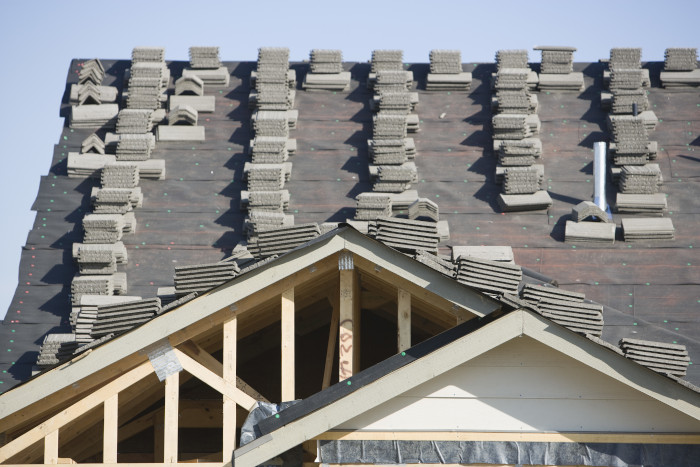
Clay
Clay tile is made from earthen clays molded into rolled or interlocking shapes and fired for hardness. It is often left unglazed, with the characteristic reddish-orange color; or it can be glazed and fired to form ceramic roofing tiles. Clay tile is a very good roofing material for hot climates or where salt air is present, which is why these roofs are seen so often in southern coastal regions or desert regions. Source: TheSpruce

Solar
Solar shingles offer an alternative to conventional rooftop solar panels, while also serving as a roofing material. While early versions of solar shingles and other solar roofing products used flexible “thin-film” solar technology, today’s solar shingles typically are made with rigid materials, such as tempered glass. This makes them look and perform more like conventional shingles, and most can be installed similarly to shingles and without special installation crews.

Of course, the greatest benefit of solar shingles is that they create electricity during daylight hours. As a result, roofing starts paying for itself from the day it is installed and over the entire lifetime of the system. It’s the only roofing material that offers a financial return on your investment. Source: TheBalancesMB

Slate
If you prefer the natural look of stone, slate shingles may be the solution for your roof. Like wood, slate is an environmentally friendly option. It can also help maintain the temperature inside your home, which can help with your utility bills. One of the biggest advantages of slate shingles is the longevity. They can last 80 to 100 years or longer if you take care of them well. Slate shingles hold up well against wind, hail, heat and moisture with a low risk of leaks. They also hold up well in snowy climates. Source: Hunker

We can help you choose the right material for your roof. As we have over 54 years of experience in installing roofing, you can rest assured that your investment will really last generations. Call us for a free estimate!


Contact:
Kerrisdale Roofing & Drains
8296 Ross St, Vancouver, BC V5X 4C6
(604) 360-2114


from Kerrisdale RD https://ift.tt/3bF145S

Thursday, April 16, 2020

3 Quick Solutions for a Leaking Roof

Do you have an emergency roof leak and you can’t find a professional to repair it right away? Try out these easy fixes:

Cover with a tarp
A quick and very temporary fix for a leaky roof is to cover the damaged area with a plastic tarp. When using a tarp to cover your roof, the key is to cut the tarp so that it adequately covers the damaged area. Leave at least an extra four feet of tarp on each end to cover the roof damage. You will need to secure the tarp so that it does not blow off the roof. Using treated 2-by-4 boards is one way to secure the tarp to the roof. You can staple or nail the tarp to the boards, but be sure to use nails that are not so long that they will go through your roof. Source: Homesteady

Use sealants
If the leak is due to faulty or missing flashing, sealants might be the cure. Use sealants on all flashing around skylights and protrusions like a chimney or vent. You should never use them to fix shingles permanently. It may work as a stop-gap measure to fix broken or cracked shingles until you have time to replace them. Source: HomeAdvisor

Replace shingle

If part or all of a shingle is missing, head to the hardware store to find a matching replacement. To remove the broken shingle, carefully lift the edges of the shingle above it with a pry bar. Use a hammer to remove the nails at broken shingle’s 4 corners, slide it out, then scrape the area beneath to remove any leftover roofing cement.

If necessary, use a blow dryer to make the surrounding shingles more pliable. After removing the old shingle, use a sharp utility knife to round the back corners of the new shingle; this makes it easier to install.
Slide the new shingle into place, gently lift the shingle above, and drive 114 inch (3.2 cm) galvanized roofing nails into the new shingle’s corners. If you removed any nails that secured the shingle above the broken one, replace them.
Finally, use a trowel to apply roof cement over the nail heads and edges of the new shingle. Source: WikiHow

Even though you’re able to keep the roof from leaking using the tips above, don’t forget to schedule an appointment with us. We will provide a more permanent solution, so you won’t have to worry about roof leaks again. Call us!


Contact:
Kerrisdale Roofing & Drains
8296 Ross St, Vancouver, BC V5X 4C6
(604) 360-2114


from Kerrisdale RD https://ift.tt/2XIlOWg

Wednesday, April 8, 2020

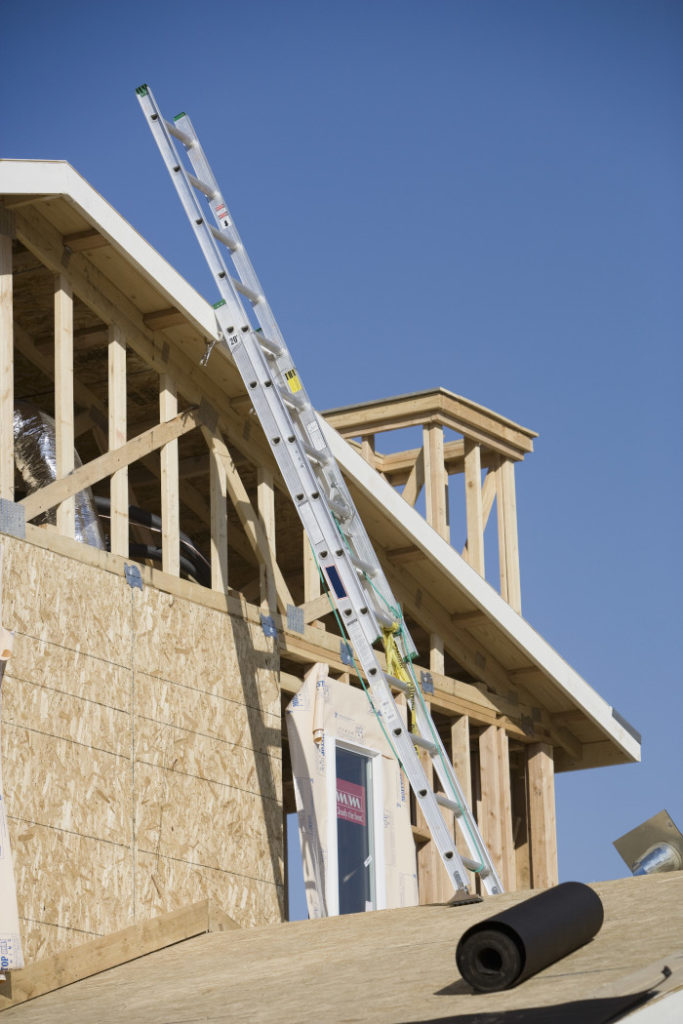
Things You Need to Know About Hipped Roofing

Are you building a new house? One of the most important factors to consider is the type of roofing you will install. Get to know more about Hip Roof below, and discover why you should consider it as your number 1 option.

What is a hip roof?
A hip (or hipped) roof is one that meets all of the walls it connects to with a horizontal join. On a rectangular building, it is likely that each of the four sides of a hip roof will have the same pitch, making the roof a symmetrical structure.

The hip roof also tends to have eaves (that is, the roof overextends past the walls), and as the fascia is at the one level height, the gutters run in a continuous piece around the entire structure. A hip roof on a square building will resemble a pyramid, whereas on a rectangular building, the different parts meet in a ridge at the top of the roof. Source: Build

Variations
There are many configurations of hip roofs, including styles that blend hips with other types of roofs, and vice versa. Common variations include:

– Jerkin head:Also called a half-hip; a hybrid of a hip and gable roof, with each gable end adorned with a short hip at the top.

– Pavilion: A hip roof (on square building) with four equal sides meeting at a point in the center, forming a pyramid shape.

– Double-pitched hip:A hipped roof with a steeply sloped upper section and a more gently sloped lower section.

– Cross-hip:A roof with two or more intersecting hip roofs, typically forming an L or a T. Source: Hunker

Construction
Proper construction and maintenance is a must to prevent minor issues from turning into major problems. For instance, hip roofs have more seams than gable roofs, making it easier for water leaks to form if the roof is not properly installed.

One complaint about hip roofs is that they leave little attic space. It’s important to note though, what you may lose in attic space, you gain in increased ventilation for your home, as well as the vertical space for premium design features like vaulted ceilings, or simple additions like a crow’s nest, which could give your home yet another unique design feature. Source: Modernize

Proper installation is the key to a long-lasting roof. With more than 55 years of experience in handling anything roof-related, you know your money will not be wasted with us. Call us today for a free estimate!


Contact:
Kerrisdale Roofing & Drains
8296 Ross St, Vancouver, BC V5X 4C6
(604) 360-2114


from Kerrisdale RD https://ift.tt/2y2fNsG

Wednesday, March 25, 2020

Warning Signs of Drainage and Sewer Problems

Are you experiencing unusual problems with your fixtures? Your home might be telling you something. Watch out for these warning signs so you can call a professional to fix them right away:

Sewer odor
Without getting too far into building science, a general plumbing rule of thumb is that every drain needs a trap, and every trap needs a vent. All those traps and drains are designed to prevent sewer gas from entering your home. The vents in your home should channel sewer odor up to the roof, while drain traps create a “water plug” that acts as a barrier stopping sewer odors from coming through the sink drain. If you smell sewer gas in your home, that means either a trap has run dry or a vent line has cracked. A dry trap can be fixed as easily as refilling it with water, or you may need to examine it for signs of the leak. Tracking down a cracked sewer vent can be much more difficult, as they are often enclosed in a wall, and will require a bit of drywall surgery in order to find and repair. Source: FamilyHandyman

Slow drain
When one fixture is draining slowly, it probably means it’s clogged. Check to see if your drains need to be cleaned manually and use a plunger or drain cleaner to try to unclog them. When all of your fixtures are draining slowly, you may very well have a major plumbing problem on your hands. There might be an issue with your plumbing vent or perhaps tree roots are clogging the sewer line. As time goes on, slow draining fixtures can lead to water backing up. When it’s backing up in every fixture, it’s well past time to call a plumber. Source: TheArchitectsDiary

Gurgling sound
Unless you’ve just flushed it your toilet should be pretty quiet, so if you start to hear a gurgling noise, the fixture may be trying to tell you that there’s an underlying issue. Potential causes of a gurgling toilet include a blocked vent stack or even a blocked sewer line. Source: BobVila

Repairing sewage and drainage problems requires the tools and knowledge of an expert. Call us to get a free estimate!


Contact:
Kerrisdale Roofing & Drains
8296 Ross St, Vancouver, BC V5X 4C6
(604) 360-2114


from Kerrisdale RD https://ift.tt/2xoBF1m

Tuesday, March 17, 2020

Protecting Your Home from Covid-19

Now that the whole world is in heightened alert due to the coronavirus, our homes should be a sanctuary where we won’t have to worry about getting infected. Keep your place safe by using the following tips:

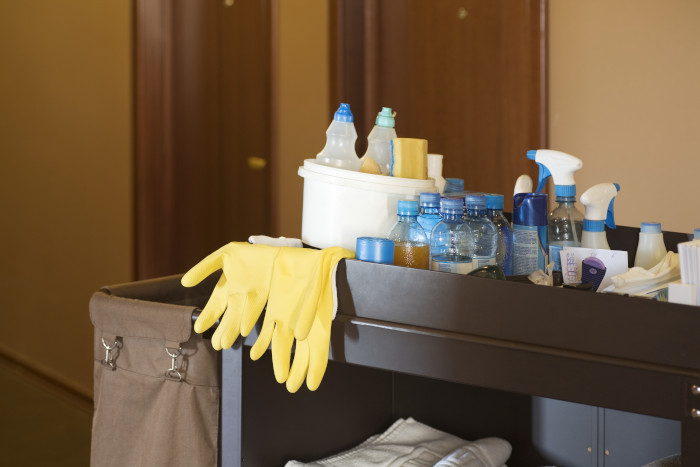
Use bleach
According to Robyn Gershon, MHS, DrPH, a clinical professor of epidemiology at New York University’s School of Global Public Health, herbal-based cleaners haven’t been shown effective against neutralizing COVID-19 on common surfaces. If you’re heading out to buy cleaners and other disinfectants to keep your spaces germ-free, you may be best off buying a gallon of household-friendly bleach, Gershon says, as you’ll need to frequently disinfect highly-trafficked areas of the house during flu season (think: toilet seats, door handles, railings, and sink faucet handles).

Note that many common disinfectant products, including wipes and sprays, need to stay wet on a dirty surface for a certain amount of time to actually be effective, says Carolyn Forte, Director of the Good Housekeeping Institute Cleaning Lab. “If you’re using it for a matter of seconds, it’s not going to work. You’ll want to use another cleaner in this case.” Lysol wipes, for example, can sanitize a surface in as little as 10 seconds, according to the product’s instructions; but in order to fully disinfect a surface, however, Forte says the manufacturer requires you to “leave the surface visibly wet” for at least 4 minutes. Depending on how many people live in your home, and whether or not they’re sick in the first place, you may need to change tactics from simply sanitizing something to fully disinfecting with bleach or other strong cleaning agents. Source: GoodHousekeeping

If bleach is unavailable, go for hydrogen peroxide
Hydrogen peroxide isn’t only effective for whitening teeth — in fact, the CDC says that 3% hydrogen peroxide was able to inactivate rhinovirus within eight minutes. When you pour the substance directly on surfaces like your sink, countertops or toilets, you’ll need to let it soak for around 10-15 minutes. This will give it time to completely do its job. After you let it sit, scrub the area and then rinse with water.

It’s also safe to clean your toothbrush with hydrogen peroxide since the bristles can harbor bacteria. Source: Cnet

Don’t forget to put on to some gloves
The CDC recommends using latex gloves to while you disinfect household surfaces.

If you’re using reusable gloves, don’t use them for other purposes, and clean your hands immediately after the gloves are removed. Peel the gloves away from your body, pulling them inside out, and try not to let the outside of the glove touch your skin. Source: BusinessInsider


Contact:
Kerrisdale Roofing & Drains
8296 Ross St, Vancouver, BC V5X 4C6
(604) 360-2114


from Kerrisdale RD https://ift.tt/2IYINDS

Thursday, March 12, 2020

Spring Cleaning Tips for Your Home’s Exterior

When you do your annual spring cleaning this year, don’t forget to give your home’s exterior some love, too! Take note of the following areas and include these tips in your checklist of things to do:

Roof
Spring is also a good time to examine your roof to see if winter snow and ice have caused any problems that need attention.

Look for torn or missing shingles that might need replacement or repair.
Pay particular attention to flashing around chimneys, plumbing vents, and other openings that are prone to leaks. Seal any gaps with roofing cement.
Cover exposed nail heads with a dab roofing cement.
Remove leaves, sticks, or other debris that has built up in valleys and against chimneys, porches, or dormers. Source: TodaysHomeowner

Deck
Everybody likes fungus on the deck! Oh wait, no one likes fungus on the deck — or mildew stains, dirt or weather-beaten patches.

It’s tempting to just bleach the whole thing will-nilly, but don’t give in. Pressure wash the deck and — this is easy enough — use an actual deck-cleaner solution.

When you’re done with all the washing, it’s time to restain. There are finishes and colors a-plenty, so you should be able to find whatever it is your heart desires. Look for something with a protective finish to repel water (and UV rays). Source: Home.HowStuffWorks

Other commonly ignored places
Windows: Washing windows and screens will give you a sparkling view of spring even if it’s still a bit too cold to be outside enjoying it as much as you want.

Gutters: Cleaning out rain gutters is a fall chore for many homeowners, but checking them again in the spring will ensure that no debris has become clogged in them during winter storms.

Siding: Pressure wash the siding of your home to remove grime. Be sure to start at the highest points of your home to avoid washing dirt down onto clean areas.

Garage: Cleaning out the garage will give you more space for summer equipment such as bikes, outdoor games, and gardening equipment. This may be a good time to hold a yard sale as well. Source: Cleaning.LoveToKnow

Don’t have the right tools to clean the areas we mentioned? We’ve got you covered. Call us today so we can give you a free estimate!


Contact:
Kerrisdale Roofing & Drains
8296 Ross St, Vancouver, BC V5X 4C6
(604) 360-2114


from Kerrisdale RD https://ift.tt/3cUryBD

Thursday, March 5, 2020

Advantages and Disadvantages of Aluminum Decking

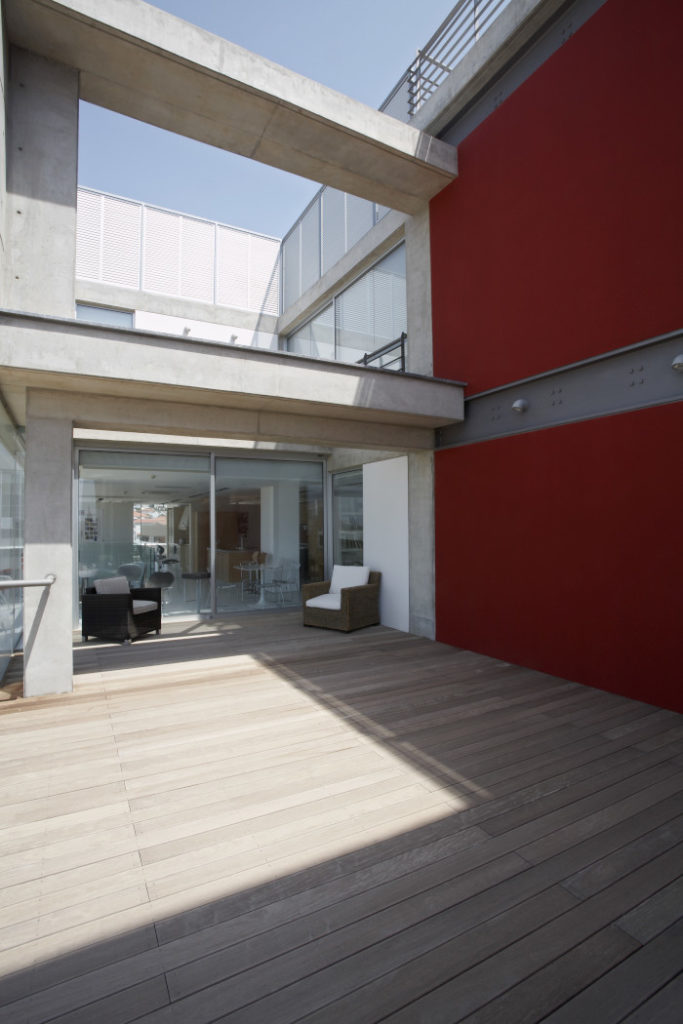
One of the latest trends in home design includes extending the living spaces outdoor. If you’re looking to start spending more time outside once the weather becomes less chilly, but you still don’t have a deck installed at home, why not make it your spring project? As you decide which material to choose for your deck, consider the following pros and cons of using aluminum:

ADVANTAGES

Stronger but lighter
Aluminum decking is three to four times lighter than the most popular wood decking species, but also two to three times stronger. It can be cut with the same saws used to cut wood. Many aluminum decks have interlocking edges, making them watertight. Self draining channels can dispose of rain water easily, and keep lower deck surfaces dry. Source: HGTV

Weather resistant
Aluminum is nonabsorbent and can’t be damaged by rain or snow. Since this material is impervious to moisture, it won’t warp, shrink, twist, crack, or splinter as wood does, nor is it attractive to mold or rot as many of the composite materials tend to be. What’s more, it won’t suffer sun damage like plastics. PS: It’s also rustproof and saltwater resistant – perfect for your beach cottage deck!

Fire resistant
When exposed to sparks or flame (as when you host a summer barbecue out on your deck), aluminum will not burn, char, or melt. Source: Networx

DISADVANTAGES

Appearance
Aluminum decking is often made to look like wood. However, even the best attempt at creating a wood grain appearance can never match up to the real thing. This may be a problem for some, while others will not care. It comes down to personal preference, but you should take a look at an example of aluminum decking before purchasing it yourself. The best-case scenario is to see an entire deck made of the substance as opposed to just a small section in a store. Source: EHow

Price
Aluminum decking is expensive. According to Black and Decker’s “The Complete Guide to Building Decks,” aluminum decks are typically more expensive than other alternatives, including wood, PVC vinyl and composite materials. The price of the aluminum decking depends on the size of the deck, professional installation charges, delivery charges (if any) and other hired services. Source: Hunker

If you want to skip the part where you have to stress out about building your own deck and just jump straight to relaxing on it once it’s done, give us a call and we’ll have it built for you in no time!


Contact:
Kerrisdale Roofing & Drains
8296 Ross St, Vancouver, BC V5X 4C6
(604) 360-2114


from Kerrisdale RD https://ift.tt/2IkWxJ5