Wednesday, November 27, 2019

How to Repair Damaged Window Screen

Even the sturdiest window screen may eventually get damaged due to extreme temperature and daily wear-and-tear. To avoid further damage, make sure you repair it right away using these tips:
Patching a hole on the screen
To patch metal screening, cut a square or rectangle about 1 inch bigger all around than hole. Pull out the wires on all four sides to make a wire fringe about 1/2 inch deep around the patch. Bend the fringe wires down sharply at a right angle; use a wood block to make a clean bend on each side of the patch. When the fringe wires are evenly bent, set the patch over the hole in the screen, and press to insert the bent fringe wires through the screening around the hole. The patch should be flat against the screen, covering the hole completely. Fold fringe wires down flat toward the patch’s center on the other side of the screen. Then stitch around the entire patch with a needle and nylon thread or with fine wire. Source: Home.HowStuffWorks

Replacing the whole screen
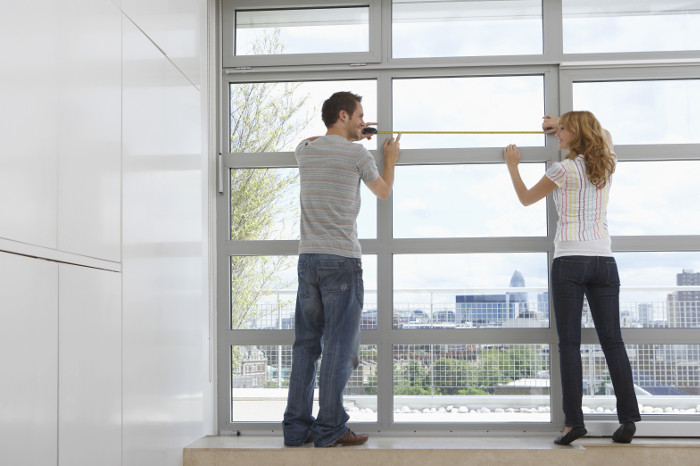
For especially large holes and damaged screens, you don’t want to mess around with trying to put patches on. Just replace the whole screen, assuming the frame is in good shape. Start by measuring the frame carefully so you know which width of screen material you should buy, and take note of the material used to make the frame. If it’s metal, you’ll need to buy a screen in a matching metal to prevent reactions, or consider using nylon. Wooden frames will take any kind of screen, but metal screens can stain. Source: Networx

Re-attach the molding
Nail the molding back into place with small nails or brads, and countersink. Trim excess screening with a utility knife. Fill nail holes with paintable wood filler, and paint. Source: MarthaStewart

Let us help you deal with home repairs so you don’t have to spend as much time and effort doing it on your own! Call us today to book an appointment!


Contact:
Kerrisdale Roofing & Drains
8296 Ross St, Vancouver, BC V5X 4C6
(604) 360-2114


from Kerrisdale RD https://ift.tt/2OPR67Q

Tuesday, November 19, 2019

3 Ways to Protect Your Home from Extreme Weather

Fall is almost over, and the cold season will soon kick in! Why not prepare your home for the extreme temperatures as early as now? Here are three things you can do to keep your home safe and damage-free these upcoming months:

Clear the gutters
Fall can be one of the most pleasant weather seasons, but that doesn’t mean you can rest on your leaf piles. You know to rake your lawn, but you also have to clear your gutters of them. This’ll help keep water from freezing inside and splitting them when temps dip below freezing. Adding mesh or leaf guards can also solve the problem. While you’re up there, make sure your gutters are pitched at the right angle—between 1/16 and ⅛ inch per foot—to direct water to the downspout, and away from your home’s roof or foundation. Source: MentalFloss

Have an easy access to your main water shut off
If a bunch of junk is blocking easy access to your main water shut valve off, rearrange your basement or garage so that it will be easily accessible in the event of a plumbing emergency. Then, make sure your shut off valve is in good working order. Cranking it all the way to the right should shut off all water to the house. If it’s rusted open or only closes partially, replace the valve immediately.

Go a step further, and make sure everyone in your house knows where the shut off valve is located and how to use it to turn off the water. Source: TheSpruce

Keep the attic well-ventilated
In addition to clogged gutters, a warm attic can contribute to ice dam damage by causing snow to melt in the middle of your roof and drain toward the gutters where it may refreeze. To keep your attic sufficiently cool, make sure it’s properly ventilated and seal any cracks or holes in your ceiling and around fixtures so that household heat doesn’t seep into the attic. It’s also a good idea to insulate the attic floor to keep heat inside your home and outside of the attic. Source: AHS

Let us check your roof and gutters before the snow starts falling. Call us!


Contact:
Kerrisdale Roofing & Drains
8296 Ross St, Vancouver, BC V5X 4C6
(604) 360-2114


from Kerrisdale RD https://ift.tt/2OtDeQs

Wednesday, November 13, 2019

Prepare Your Home for Fall Using These Tips

Can you smell the pumpkin spice in the air? Autumn is here, and we’re all for it! Before you start redecorating your home, tackle the following important tasks first so you can spend the rest of the cold season snuggled on your sofa while drinking a hot cup of your favourite drink.

Clear the chimney
Chimneys are an especially important cleaning task to check off your to-do list, as a dirty chimney is a potential fire hazard. Schedule a professional chimney sweep to clear out any debris, rodents or built-up creosote. Source: SheKnows

Examine the heating system
Do a survey of your home’s heating vents to make sure they’re not blocked or covered by furniture, carpeting, or curtains. Dust vents and clean all filters. Make an appointment for an annual heating system check-up. Source: RD

Inspect the gutters
No one loves this job, but we all need to do it annually. A few hours of work can prevent big problems later on.

While you’re up on that ladder, visually inspect your roof for damaged shingles, flashing or vents. Source: Zillow

Switch to heavier curtains
New curtains don’t just give your room an instant update; they can also help keep your home warmer during the cooler months! Just be sure to keep them open on sunny days. Source: PopSugar

Add exterior lights
Fall and winter means less daylight. So if you don’t have lights outside of your home and driveway yet, installing some is a great way to keep your home just a little safer. Lights around the perimter of your driveway can mean fewer accidents. And lights along your pathway can mean fewer falls. Also, because outdoor lights are typically left on for long periods of time, buying LED and energy saver bulbs will, as you may have inferred, save energy.  Source: Weather

Keep outdoor faucets inside
The faucets you use outside in the summer to wash your car, soak your garden and hose down your kids are susceptible to freezing. If proper care is not taken to shut-off and drain these lines before winter, it can lead to pipes and faucets bursting or cracking and can create a huge, potentially expensive, disaster. Source: GlobalNews

Don’t have the right tools to safely check your chimney, roof, and gutters? We’ve got you covered! Call us today to get a free estimate!


Contact:
Kerrisdale Roofing & Drains
8296 Ross St, Vancouver, BC V5X 4C6
(604) 360-2114


from Kerrisdale RD https://ift.tt/2QhMz01

Wednesday, November 6, 2019

3 Types of Skylights

Installing skylights is a stylish and efficient way to let natural light into your home. There are different styles you can choose from depending on where you plan to put it. Here are your options:

Fixed
Fixed skylights, as the name implies, are ones that do not open. Generally rectangular or square, they are glazed with flat or gently curved panes of tempered glass, or with acrylic or polycarbonate plastic in flat, bubble-shaped, or other molded profiles. Plastic skylights are usually more economical than glass ones and put less weight on your roof, but plastic can scratch and dull over time, and plastic-glazed skylights afford fewer options with regard to energy efficiency and UV (ultraviolet) protection.

Glass skylights come equipped, at a minimum, with tempered glass in a double layer with an air space between them. Better glass skylights will include a low-E (low-emissivity) coating that modifies heat gain and provides protection from ultraviolet rays for furniture and floors. The best glass skylights are filled with argon gas between the panes to improve their insulating ability—their R-value—even more. Source: Hunker

Tubular
Tubular skylights are the newest types of skylight on the market. Also called “light tubes” or “sun pipes,” they are diminutive, domed skylights paired with a reflective metal tube; the combination can make a dramatic difference in the level of light. Typically installed in small rooms, hallways and closets, they are normally 10″, 14″, or 21” in diameter. Tubular skylights often come with special features such as a dimmer switch to control the amount of daylight that is admitted or an integrated ventilation fan. Source: Networx

Ventilating
A ventilating skylight may be opened to allow air to pass through. These skylights are ideal for bathrooms and kitchens, where they help to relieve excess moisture and keep the flow of air steady. Ventilating skylights may be controlled by a remote, by a hand crank, or by an automatic sensor which tracks inside temperature. Source: WiseGeek

We can help you install a skylight that suits your budget and needs. Call us today!


Contact:
Kerrisdale Roofing & Drains
8296 Ross St, Vancouver, BC V5X 4C6
(604) 360-2114


from Kerrisdale RD https://ift.tt/33mSiWk

Tuesday, October 29, 2019

3 Types of Stairs You’d Love in Your Home

Choosing a design for your staircase doesn’t only depend on how you want it to look. There are other factors, such as the available space, safety, and budget to consider. Take a look at the different options you have below:

Straight
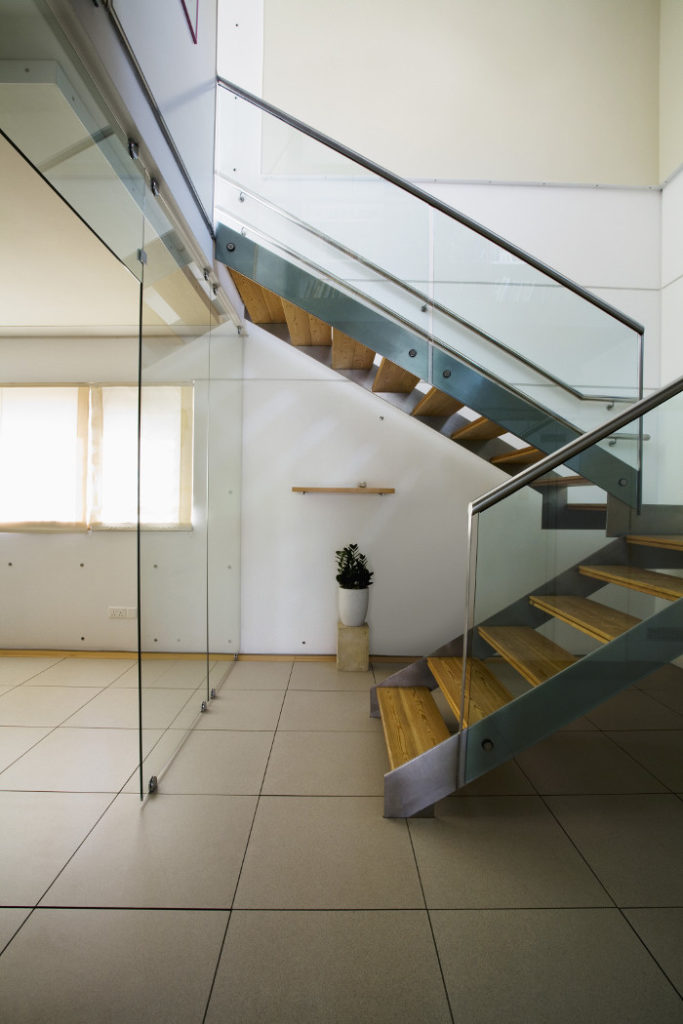
A straight staircase is the most common and affordable style available. Pre-cut risers — the vertical part of the staircase — are available in lumber yards home stores and many builders use these because of their simplicity. The straight line design means that the staircase doesn’t need any special support and only needs to be attached at the top and the bottom. This type of staircase also allows for easier installation of railings and handrails.  Of course, there are variations of the straight staircase that include open risers, modern materials and metal cable railings that significantly alter the basic look. Source: Homedit

Spiral
The spiral staircase is certainly the most interesting design. It has a helical arc, resembling the shape of a spring. All of the treads are wedge-shaped, but as opposed to the winder and arched staircases, these treads are all consistent in size. There is a central vertical post around which the treads radiate.

Spiral stairs are found mostly in city loft apartments, due to its economical use of space, ease of installation, and limitations of capacity. A spiral staircase is not really suited to frequent use, as it has a confined area which is difficult to move upon. Only one person can navigate the stairs at any one time, and it is difficult to carry large items up or down on it. This is also why many building codes do not allow the use of spiral stairs as primary ingress to a full-sized second floor. Source: Homify

Bifurcated
The grandest of them all—this is the style of the iconic Titanic staircase—bifurcated stairs include one sweeping set of steps that splits off into two smaller flights going in opposite directions. Source: ArchitecturalDigest

It would be an honor to be a part of building your dream home. We have been in the business for over 55 years so rest assured that we can bring your imagination to life. Call us!


Contact:
Kerrisdale Roofing & Drains
8279 Ross St, Vancouver, BC V5X 4W1
(604) 360-2114


from Kerrisdale RD https://ift.tt/2Nldzsx

Tuesday, October 22, 2019

3 Areas Every Home Buyer Should Inspect

All houses are taken care of differently. Some are well-maintained, while others are not. Don’t make the mistake of buying a house with hidden damages waiting to surprise you. Make sure you do the following tips:

Check the attic
A well-functioning attic is crucial to protecting a home. If your home inspector can get into the attic without trampling insulation, you can often learn a lot about the home and any renovations or repairs. One very common inspection red flag is improper venting of bathroom fans into the attic (and not extending the vent all the way through the roof). If your bathroom fan is venting directly into the attic, all it’s doing is sending moisture and humid air into the attic where it cause mold, rot or worse. It’s also not up to code. If possible, have your inspector check for attic air leaks. While you can fix these attic air leaks, an attic with air leaks could have potential issues with insulation, moisture, mold or worse. Source: FamilyHandyman

Find out if there are proper drainages
“The biggest issue of any home is always going to be water disbursement,” Turner says. “There’s the potential for damage to the foundation. If water is found to be in the vicinity of the house, you want the water to flow away from the house, not towards it.” Source: Curbed

Take a close look at the roof
When your home inspector is checking out the roof, ask them about the condition of the shingles. Are there any that are buckling or missing? How about the eavestrough? Is there an accumulation of asphalt granules in the gutters? Are there signs of major wear and tear? If so, the home may be in need of a roof replacement.

A roof replacement isn’t cheap, so you can always ask that the sellers take care of replacing the roof, or you can ask for a price reduction to compensate. Source: HGTV

If you still want to buy the house despite damages in some areas, then consider renegotiating the price so you can have a budget for renovation. We can repair your home, and make it safe before you move in. Contact us!


Contact:
Kerrisdale Roofing & Drains
8279 Ross St, Vancouver, BC V5X 4W1
(604) 360-2114


from Kerrisdale RD https://ift.tt/2MyET7r

Friday, October 18, 2019

5 Roofing Mistakes To Avoid

Before you have your roof installed or repaired, learn about the most common mistakes that might occur so you can avoid them:

Incorrect installation
Every roofing manufacturer has specific regulations on how their roofs must be installed. Items, such as number of nails per shingle, can determine whether a manufacturer will stand behind their warranty should the roof fail earlier than the guaranteed lifespan.

Failing to get an attic
A roof is an entire system, comprised of many components. Proper attic ventilation is necessary. Without it, your shingles can wear out sooner than they should, your insulation can be ruined and your energy costs can skyrocket.

Not getting a roofing permit
In most cases, a permit is needed to install a new roof. The homeowner is the one held liable for failure to obtain a permit. Ramifications can include fines, forced removal of the new roof, or your insurance company refusing to insure the roof. Source: AngiesList

Buying cheap materials
As rational human beings, we will most probably go for the most affordable materials. The paradox of this belief is that cheap might be expensive because low-quality materials get damaged faster. To achieve the best roof repair, go for high-quality materials that will serve you for long. Your house will also look more presentable when you purchase the right products. You can do an online search or ask for recommendations from friends and relatives to know what material will work best for you. Source: FineHomesAndLiving

No leak barrier
The installation of the leak barrier is necessary since it provides extra protection in vulnerable areas or places with perforations due to nails or fasteners. The parts of the roof in which we recommend the installation of leak barriers are valleys, vertical walls, accessories, eaves, chimneys, and skylights, but it could vary depending on the region of the country in which you live. Source: GAF

We’ve been taking care of roofs in the Vancouver lower mainland area for more than 55 years. You can rest assure that your roof installation will be seamless with us. Call us to book an appointment!


Contact:
Kerrisdale Roofing & Drains
8279 Ross St, Vancouver, BC V5X 4W1
(604) 360-2114


from Kerrisdale RD https://ift.tt/2pAKGAg